Take a Deep Breath – You’ve Got This!
In today’s fast-moving world, stress can sneak up on us — from long to-do lists to unexpected worries. But here’s the good news: calming your mind doesn’t need to be complicated. You don’t need fancy tools or hours of free time. With just a few small changes, you can feel more relaxed and in control.
If you’re new to wellness or just looking for gentle ways to unwind, this guide is for you. Let’s explore five simple stress-relief techniques that are beginner-friendly and easy to add to your everyday life.
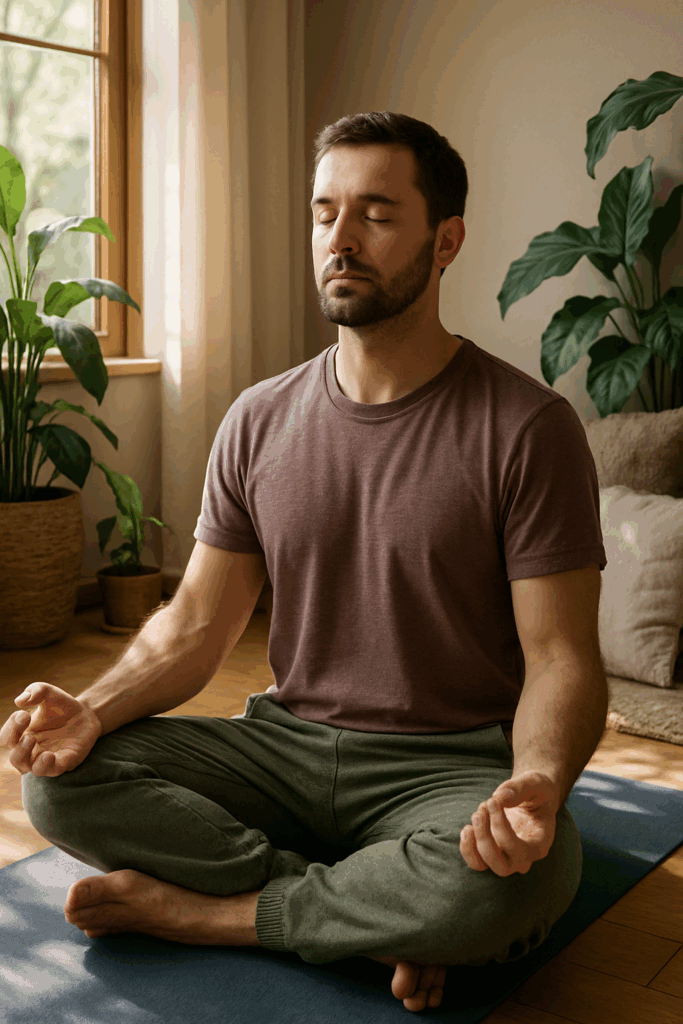
1. Practice Deep Breathing – It’s Powerful and Free
Breathing is something we do all the time, but intentional breathing can help calm your body and mind. It’s a simple yet powerful way to reduce tension.
Here’s how you can try it:
- Sit comfortably with your back straight.
- Close your eyes and slowly breathe in through your nose for 4 seconds.
- Hold that breath for 4 seconds.
- Exhale slowly through your mouth for 6 seconds.
- Repeat for 5–10 rounds.
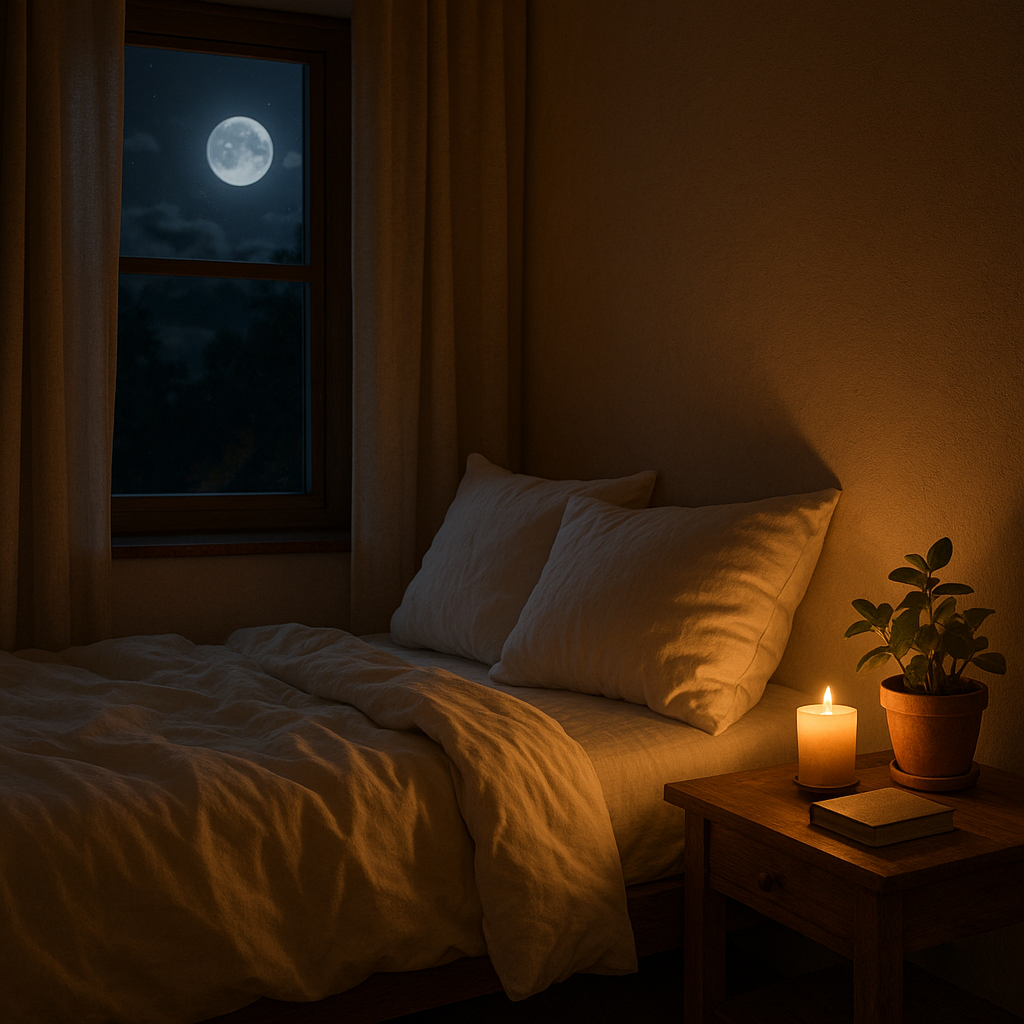
You can do this anytime—before a meeting, after a long day, or even while lying in bed. It brings you back to the present moment and signals your body that it’s safe to relax.
Pro Tip: Set a reminder on your phone to take a “breath break” a few times a day.
2. Move Your Body – Even a Little Helps
Movement isn’t just for fitness. It helps release built-up energy and clears mental clutter. And no, you don’t need to hit the gym!
Try these gentle activities:
- Stretch for 5 minutes in the morning
- Take a 10-minute walk outside
- Dance to your favorite song in your room
- Try beginner yoga or free YouTube workouts
When I started incorporating short walks into my lunch break, I noticed how much lighter I felt emotionally. Just being in nature and moving my legs helped me “reset” my mind.
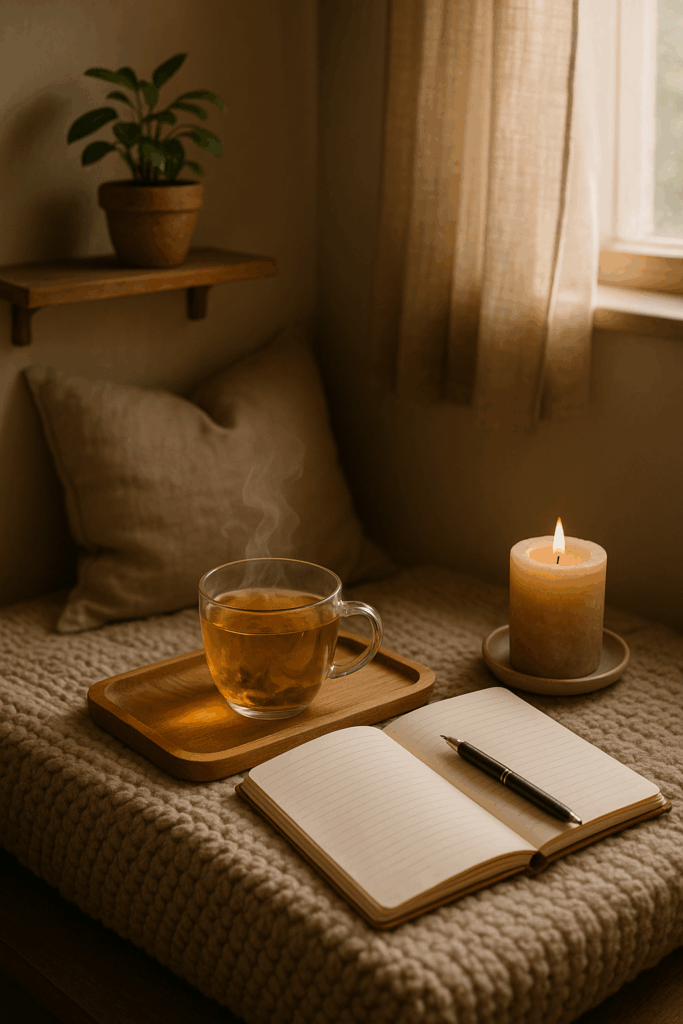
3. Try Journaling – Let Your Thoughts Out
Sometimes, what’s stressing us out lives in our heads. Writing can help you untangle those thoughts and understand what’s really bothering you.
Here’s a simple way to start:
- Get a notebook or open your notes app
- Set a timer for 5 minutes
- Write whatever comes to mind — don’t judge or edit
You can also try these journal prompts:
- What’s one thing that made me smile today?
- What’s something I need to let go of?
- What am I grateful for right now?
Writing helps bring clarity. You might not find all the answers, but you’ll feel lighter just by getting things off your chest.
4. Create a Calm Space – Your Tiny Relaxation Zone
Your environment affects your energy. A cluttered space can feel overwhelming. A small, clean corner can feel like a retreat.
To create a calming corner:
- Declutter your workspace or a small part of your room
- Add a cozy blanket, a candle, or a small plant
- Use soft lighting or natural light if possible
Even if you live in a busy household, having one quiet spot—even just a cushion in the corner—can be your go-to stress relief zone.
Bonus: Play soft instrumental music or nature sounds while relaxing there. It’s an easy way to create a calming vibe instantly.
5. Unplug and Be Present – Digital Detox Moments
We often feel stressed because we’re overstimulated—notifications, emails, endless scrolling. Taking short breaks from screens can do wonders for your mind.
Here’s how to unplug in small, doable ways:
- No screens for the first 30 minutes after waking
- Set “no-phone” times, like during meals or before bed
- Replace scrolling with reading, coloring, or mindful breathing
Try this challenge: “1 Hour Offline” every evening. Use that time to reconnect with yourself or your loved ones. When I started this, I noticed my sleep improved and my mind felt clearer.
My Personal Take
I used to think stress relief had to be big—like booking a spa day or going on vacation. But honestly, the little daily things made the biggest difference. A few deep breaths before a call. Writing down my thoughts before sleep. A 10-minute walk after dinner. These became my anchors.
Start small. Pick one technique and try it for a week. See how you feel.
You Deserve Peace – One Step at a Time
Stress is part of life, but it doesn’t have to control you. These five simple techniques don’t take much time or money, but they can make your days feel lighter and more balanced.
Remember: You don’t have to do everything at once. Choose one practice that feels right for you. Be kind to yourself, and take it one breath at a time.
Frequently Asked Questions (FAQs)
1. What is the best stress-relief technique for beginners?
Deep breathing is often the easiest and most effective place to start. It’s simple, quick, and can be done anywhere.
2. How much time do I need to practice stress relief?
Just 5–10 minutes a day can be enough. It’s more about consistency than duration.
3. Do I need to buy anything to relieve stress?
Not at all. Most techniques are free. Things like breathing, journaling, and walking require no extra tools.
4. Can these tips help with sleep?
Yes, many people find that calming habits like unplugging from screens or journaling before bed help improve their sleep naturally.
5. What if I try and it doesn’t work right away?
That’s completely normal. Building new habits takes time. Try different methods and give yourself space to find what works best for you.
About the Author
Hi! I’m Bhupen Kumar, a health & wellness blogger passionate about simple lifestyle habits that make a big difference. I write beginner-friendly tips to help you feel better every day—naturally and joyfully.
Follow me on Instagram for more daily wellness bites!
Recommended Reading and Resources
To explore more ways to feel calm and present, here are a few helpful articles and websites:
- American Psychological Association – Tips for Managing Stress
- Mindful.org – Getting Started with Mindfulness
- Mayo Clinic– Simple Relaxation Practices
- Harvard Health Publishing – Walking for Health