Benefits of Practicing Deep Breathing — It Can Change Your Day
Have you ever stopped to notice your breath when you’re stressed or tired? Most of us breathe without thinking, but how we breathe can actually influence how we feel. Deep breathing is a simple, free, and powerful tool that anyone can practice — anytime, anywhere.
Whether you’re starting your wellness journey or just want to feel a little more balanced, deep breathing might be the easiest habit to add to your daily life.
What Is Deep Breathing?
Deep breathing, sometimes called diaphragmatic breathing or belly breathing, is all about slowing down and using your lungs fully. Instead of shallow chest breaths, you breathe deeply into your belly, filling your lungs completely, then slowly exhale.
This kind of breathing encourages your body to relax and stay calm. And the best part? It doesn’t take any fancy equipment — just your attention and a few minutes of your time.
Benefits You Can Feel Every Day
Here’s how deep breathing can gently improve your daily life:
1. Reduces Everyday Stress
Taking a few slow, deep breaths helps signal your body to shift from “fight or flight” mode into a more relaxed state. This can:
- Lower feelings of tension
- Create a sense of calm in the moment
- Help you stay grounded during busy or anxious times
2. Improves Focus and Clarity
When your breathing slows, your mind follows. Practicing deep breathing for even 5 minutes can help clear brain fog, making it easier to concentrate on tasks or decisions.
3. Supports Better Sleep
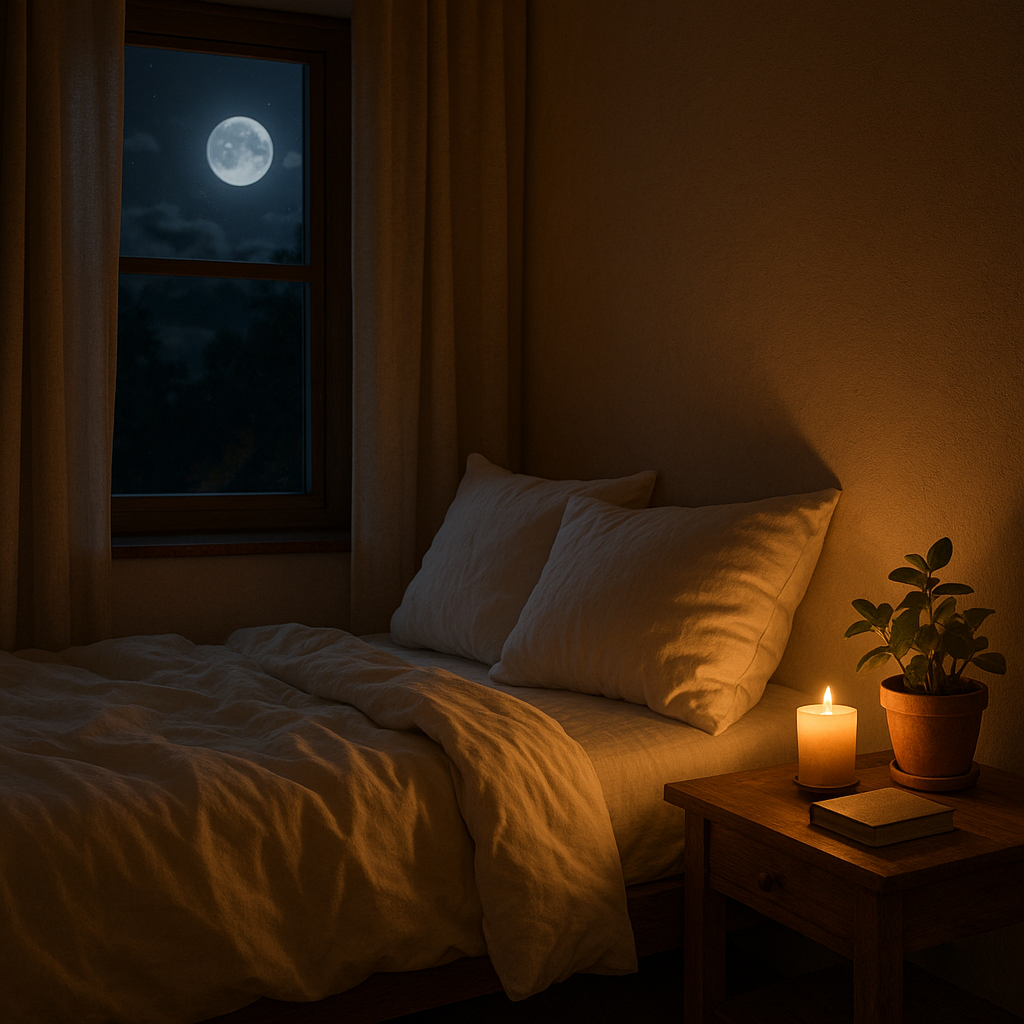
A deep breathing session before bedtime can help quiet the mind and prepare the body for rest. It’s a great alternative to screen time or tossing and turning.
Simple Ways to Practice Deep Breathing
You don’t need to set aside a whole hour. Here are a few easy ways to make deep breathing part of your routine:
- Morning Reset – Take 5 deep breaths right after you wake up. It helps start the day with clarity.
- Midday Pause – Feeling overwhelmed? Pause, inhale slowly for 4 seconds, hold for 4, and exhale for 6. Repeat 3 times.
- Evening Wind-Down – Try deep breathing while lying in bed to gently ease into sleep.
You can also combine it with light stretching or a short walk for added benefit.
My Personal Experience with Deep Breathing
When I started working from home, I noticed I was always rushing — even when I had nowhere to go. I felt tense, distracted, and tired. A friend suggested I try deep breathing during my breaks.
At first, I felt silly just breathing. But after a few days, I noticed something shift — I felt less reactive, more focused, and surprisingly more energized. Now, even on my busiest days, I find small moments to pause and breathe. It’s one of the most valuable habits I’ve picked up — no apps, no gear, just me and my breath.
Tips to Stay Consistent
Starting a new habit is easier when it fits naturally into your day. Here are a few gentle tips:
- Set a daily reminder or alarm titled “Breathe”
- Pair deep breathing with existing habits (like brushing teeth or making tea)
- Try guided breathing videos on YouTube if you prefer audio/visual cues
- Keep it short — even 2 minutes makes a difference
A Gentle Practice with Big Impact
Deep breathing may seem too simple to matter, but sometimes the simplest things bring the most balance. In a world full of noise and rush, your breath can be a quiet anchor.
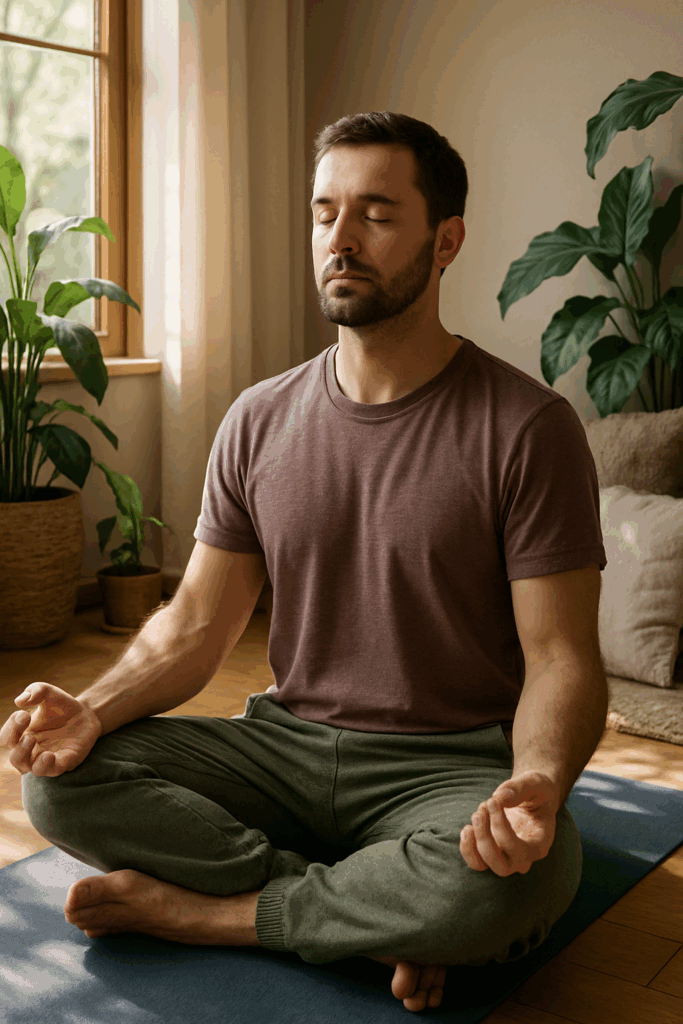
So, take a moment today — close your eyes, inhale deeply, exhale slowly — and remind yourself that calm is only a breath away.
Frequently Asked Questions (FAQs)
Q1. What is the best time to practice deep breathing?
You can practice deep breathing any time of day. Many people find it helpful in the morning to start the day calm, during stressful moments to reset, or at night before sleep.
Q2. How long should I do deep breathing each day?
Even just 2–5 minutes a day can be effective. Start small and build up as it becomes part of your routine.
Q3. Is deep breathing the same as meditation?
Not exactly. Deep breathing is often a part of meditation, but you can practice it on its own without needing a full meditation session.
Q4. Can deep breathing help with anxiety?
While deep breathing is not a treatment for anxiety, it can help calm the nervous system and reduce the feeling of being overwhelmed. Many people use it as a grounding technique.
Q5. Do I need to sit in a certain position to practice deep breathing?
Not at all. You can sit, lie down, or even stand. The key is to keep your body relaxed and your spine comfortably aligned.
External Resources and References
Here are a few trusted sources where you can explore more about deep breathing techniques:
- Harvard Health – Relaxation Techniques: Breath Control
- National Institute of Health(NIH)- Benefits of Deep Breathing
About the Author
Hi! I’m Bhupen Kumar, a health & wellness blogger passionate about simple lifestyle habits that make a big difference. I write beginner-friendly tips to help you feel better every day—naturally and joyfully.
Follow me on Instagram for more daily wellness bites!