How to Improve Sleep Naturally: Simple Tips for Restful Nights
Getting a good night’s sleep doesn’t have to be complicated. In fact, the best ways to improve sleep often come from nature, habit, and a little bit of personal care. If you’re someone who tosses and turns or wakes up feeling tired, don’t worry — you’re not alone. Many people struggle with sleep, especially with today’s busy lifestyles. The good news? With a few mindful changes, you can start enjoying peaceful, refreshing sleep — no pills needed!
1. Build a Relaxing Evening Routine
Our bodies love routine, especially when it comes to winding down. Creating a calming bedtime ritual can signal your brain that it’s time to rest.
Here are some ideas to try before bed:
- Take a warm shower or bath
- Listen to soft music or nature sounds
- Dim the lights 1–2 hours before sleeping
- Read a few pages from a book (not a screen!)
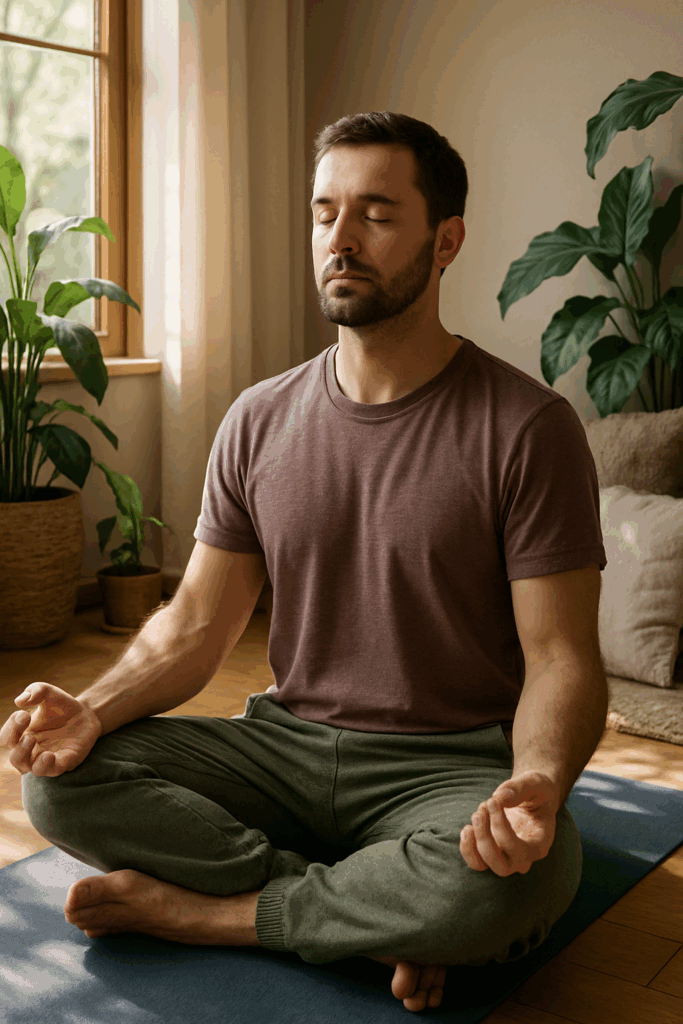
- Practice light stretches or deep breathing
Doing the same few things each night helps your body recognize when it’s time to switch off.
2. Create a Sleep-Friendly Environment
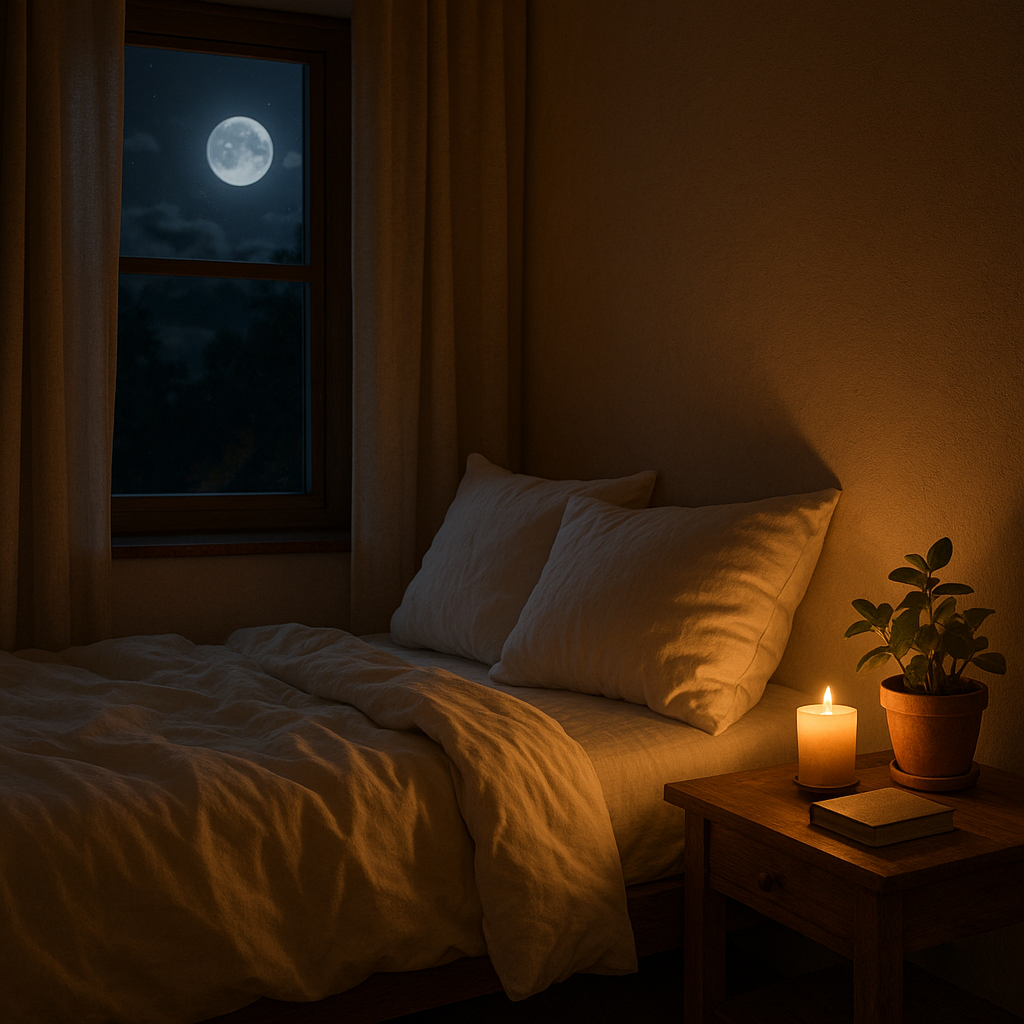
Your bedroom should be your relaxation zone. A peaceful space can make a huge difference in your sleep quality.
Try these tips to improve your sleep space:
- Keep your room cool and dark – A temperature between 18–22°C (64–72°F) is usually ideal.
- Use blackout curtains or a sleep mask – These help block out light that can interrupt your sleep cycle.
- Minimize noise – Use earplugs or a white noise machine if needed.
- Choose a comfy mattress and pillow – Your bed should support your body and help you feel relaxed.
A clutter-free room can also help your mind feel more at ease.
3. Limit Screen Time Before Bed
Screens give off blue light, which tricks our brains into thinking it’s still daytime. This can make falling asleep harder.
Here’s what you can do:
- Avoid phones, TVs, and laptops at least 1 hour before bed
- Use a blue light filter or “night mode” in the evening
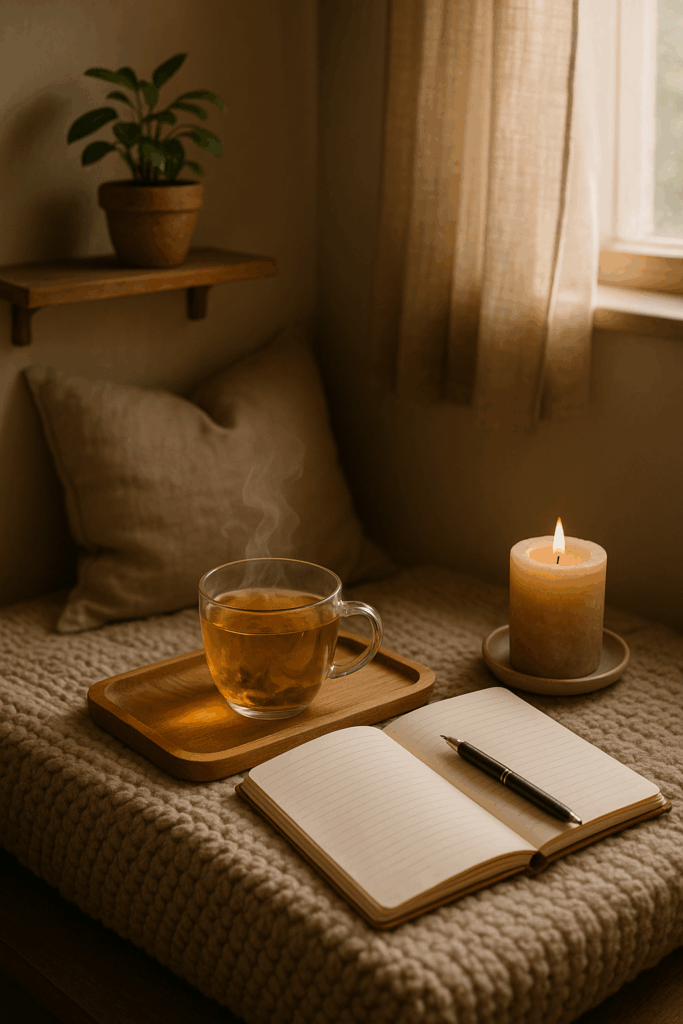
- Swap screen time for journaling, meditation, or soft music
You’ll be surprised how much calmer your mind feels without all that glowing light.
4. Watch What You Eat and Drink
What you put into your body during the day affects how you sleep at night. Some foods and drinks can make it harder to relax.
To support better sleep, try this:
- Avoid caffeine after late afternoon (coffee, soda, energy drinks)
- Skip heavy or spicy meals close to bedtime
- Drink herbal teas like chamomile or peppermint
- Stay hydrated during the day, but limit water before bed to avoid nighttime trips to the bathroom
Choosing lighter dinners and calming drinks can lead to a smoother transition into sleep.
5. Get Sunlight and Move Your Body During the Day
Our sleep-wake cycle, or circadian rhythm, is deeply connected to natural light and physical activity.
Tips to sync your body clock:
- Spend at least 15–30 minutes in natural sunlight daily
- Take a short morning walk or stretch on your balcony
- Do light to moderate physical activity most days (even yoga or walking counts!)
Staying active and getting daylight helps you feel more alert during the day and sleepier when night falls.
6. Try Natural Calming Techniques
Sometimes, stress or a busy mind keeps us awake. Practicing calming habits can help your body relax naturally.
You can explore:
- Deep breathing: Inhale slowly for 4 seconds, hold for 7, exhale for 8
- Progressive muscle relaxation: Tense and release muscles from toes to head
- Guided sleep meditations: Many free audio apps are available
- Gratitude journaling: Write 3 things you’re thankful for each night
These simple habits can shift your mindset from anxious to calm — perfect for sleep.
My Personal Sleep Story
I used to scroll endlessly on my phone at night, thinking it helped me relax. But I always woke up groggy. Then I started turning off screens 45 minutes before bed, lighting a lavender candle, and doing 5 minutes of breathing. Within a week, I felt calmer, slept better, and actually looked forward to my evenings. It’s not about doing everything perfectly — just finding what works best for you.
A Gentle Reminder to Be Patient
Improving sleep naturally takes time. You might not see results in one night, but small changes done consistently can lead to better sleep over time. Start with one or two tips, build your evening ritual, and trust the process.
Sleep is not a luxury — it’s a form of self-care. Give yourself permission to slow down, unplug, and rest. You deserve it.
Frequently Asked Questions
1. How much sleep do most adults need?
Most adults function best with 7 to 9 hours of sleep per night.
2. Can naps help or hurt sleep?
Short naps (around 20–30 minutes) can be refreshing. But avoid long or late naps, as they may affect nighttime sleep.
3. Are herbal teas really effective?
Many people find chamomile, lavender, or mint teas relaxing in the evening. While they aren’t a cure, they can support a calming routine.
4. Is it bad to sleep with the lights or TV on?
Yes. Light exposure during sleep can disrupt your rest. Try to keep the room dark and quiet for deeper, more restorative sleep.
5. When will I start noticing better sleep?
With consistent changes, most people begin to feel improvements within 1–2 weeks. The key is sticking to a healthy routine.
External Resources You May Find Useful
- NIH – Sleep Deprivation and Health
https://www.nhlbi.nih.gov/health-topics/sleep-deprivation-and-deficiency - Harvard Health – How to improve your Sleep
https://www.health.harvard.edu/staying-healthy/what-happens-during-sleep-and-how-to-improve-it - Calm App – Guided Relaxation for Better Sleep
https://www.calm.com
About the Author
Hi! I’m Bhupen Kumar, a health & wellness blogger passionate about simple lifestyle habits that make a big difference. I write beginner-friendly tips to help you feel better every day—naturally and joyfully.
Follow me on Instagram for more daily wellness bites!