Why Processed Foods Are Bad for Health: A Beginner’s Guide to Healthier Eating
We all love convenience. Whether it’s grabbing a quick snack or heating up a ready-made meal, processed foods make life easier. But have you ever wondered what you’re really putting into your body? As tempting as they may be, processed foods come with a hidden cost—your health. In this post, we’ll explore why processed foods aren’t the best choice and how small, smart steps can help you eat better and feel better.
What Are Processed Foods?
Processed foods are any food items that have been altered from their natural state for convenience, taste, or shelf life. This doesn’t mean all processing is bad—freezing vegetables or pasteurizing milk are examples of minimal processing. The real issue is with ultra-processed foods that are packed with artificial ingredients and additives.
Examples of ultra-processed foods include:
- Packaged snacks (chips, cookies)
- Instant noodles and soups
- Sugary breakfast cereals
- Frozen pizzas and ready-to-eat meals
- Soda and sweetened drinks
The Hidden Dangers of Processed Foods
Processed foods often look harmless and even tasty, but they hide several health-related drawbacks:
1. High in Unhealthy Ingredients
Most processed foods are high in:
- Added sugars – which can cause energy crashes and weight gain.
- Unhealthy fats – like trans fats that may raise bad cholesterol.
- Excessive salt (sodium) – which contributes to bloating and blood pressure issues.
These ingredients enhance taste and preserve shelf life, but they do little for your health.
2. Low in Nutrients
Processed foods often lack the essential nutrients your body needs to function well. When you eat these regularly:
- You may feel full but not satisfied
- You miss out on fiber, vitamins, and minerals that keep you energized and healthy
Think of it like fueling your car with low-grade fuel—it runs, but not very well.
How Processed Foods Affect Your Daily Life
You may not notice the impact immediately, but over time, regularly eating processed foods can:
- Drain your energy levels
- Affect your mood and sleep
- Make you crave more junk food
- Reduce your focus and productivity
A Quick Personal Note:
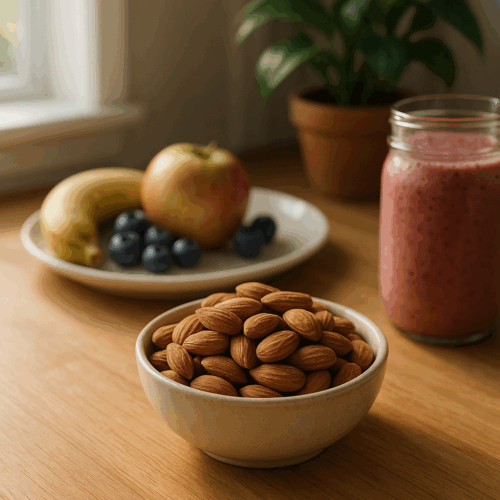
When I swapped my regular instant noodles and sugar-loaded snacks for fresh fruits, nuts, and simple homemade meals, I noticed a huge shift in my energy levels. I felt more awake in the morning, didn’t crash in the afternoons, and even my skin started to glow more. These small steps truly add up!
Simple Tips to Cut Back on Processed Foods
Making changes doesn’t mean giving up your favorite foods completely. It’s all about balance and better choices. Here are a few beginner-friendly tips:
1. Read the Labels
Start by checking the ingredient list and nutrition facts.
- Avoid products with long ingredient lists you can’t pronounce
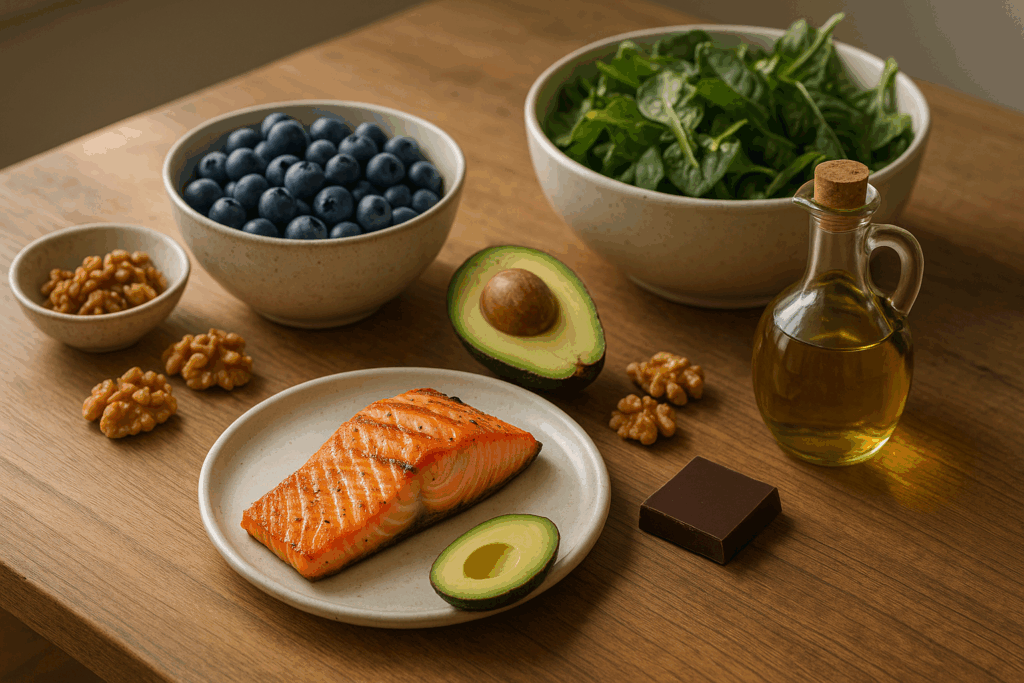
- Look for whole food ingredients (e.g., oats, nuts, fruits)
2. Cook More at Home
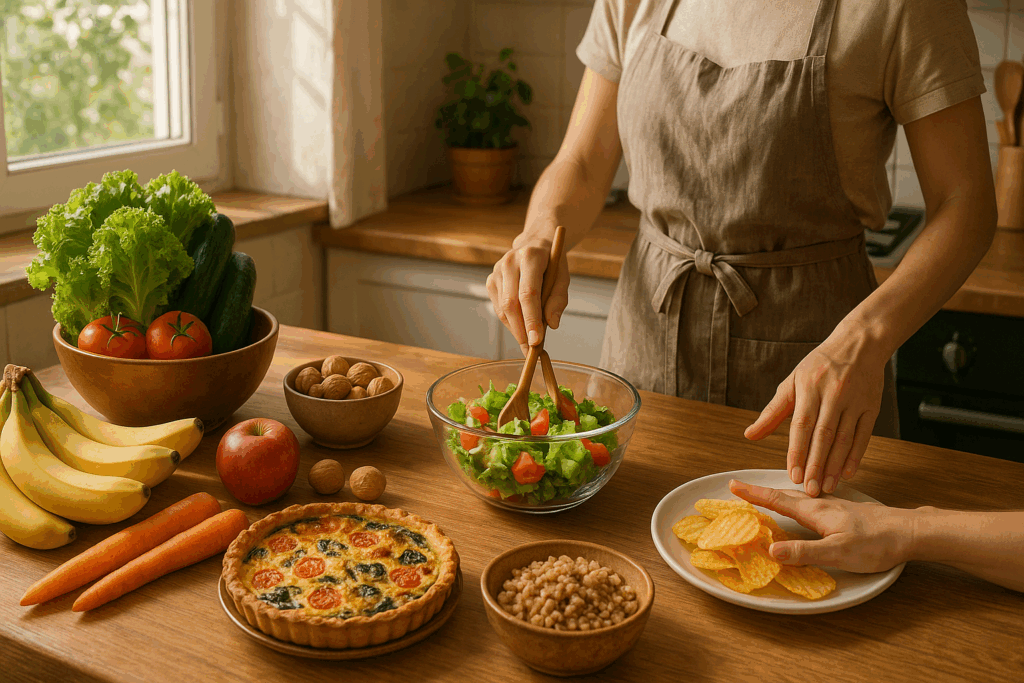
Home-cooked meals give you control over what goes into your food.
- Prep simple meals in advance
- Use herbs and spices for flavor instead of artificial sauces
3. Snack Smart
Replace processed snacks with healthier options:
- Fresh fruits
- Unsalted nuts
- Greek yogurt with honey
- Homemade trail mix
4. Drink Water Instead
Swap sugary drinks with:
- Water with lemon or mint
- Herbal teas
- Coconut water
Natural Alternatives That Work
Here are some healthy food swaps you can start today:
| Instead of… | Try this… |
|---|---|
| Sugary cereals | Rolled oats with fruit |
| Soda | Infused water or herbal tea |
| Packaged chips | Roasted chickpeas or air-popped popcorn |
| Instant noodles | Whole wheat pasta with veggies |
| Candy bars | Dates, dark chocolate (in moderation) |
You Don’t Need to Be Perfect—Just Mindful
Nobody eats 100% clean all the time, and that’s okay. The goal isn’t perfection; it’s progress. The next time you’re reaching for a pack of cookies or a microwave dinner, just pause for a moment. Ask yourself, “Is there a better option I can choose right now?” Even one smart choice a day can lead to big changes in the long run.
Final Thoughts: Small Steps, Big Rewards
Processed foods might be quick and tasty, but your body deserves better. By making small changes and being more aware of what you eat, you’ll not only feel better—you’ll glow from the inside out. Start with just one change this week, and watch how your health transforms, one bite at a time.
“Your health is an investment, not an expense.”
About the Author
Hi! I’m Bhupen Kumar, a health & wellness blogger passionate about simple lifestyle habits that make a big difference. I write beginner-friendly tips to help you feel better every day—naturally and joyfully.
Follow me on Instagram for more daily wellness bites!
Frequently Asked Questions (FAQs)
1. Are all processed foods unhealthy?
Not necessarily. Some processing methods, like freezing or drying, help preserve food and maintain nutrients. It’s the highly processed or “ultra-processed” foods with added sugars, artificial ingredients, and preservatives that are best limited.
2. Why are processed foods so appealing?
Many processed foods are designed to be extra tasty using salt, sugar, fat, and flavor enhancers. These ingredients make the food more addictive and enjoyable, but not necessarily healthier.
3. Is it okay to eat processed foods once in a while?
Yes, enjoying processed foods occasionally is completely fine. The goal is to make whole, natural foods the main part of your daily diet and enjoy treats in moderation.
4. What’s the best way to reduce processed food intake?
Start by making small changes. Cook simple meals at home, replace packaged snacks with fruits or nuts, read ingredient labels, and drink more water instead of sugary drinks.
5. Are frozen vegetables considered unhealthy?
No. Frozen vegetables are usually flash-frozen soon after harvest and can be just as nutritious as fresh ones. They’re a great time-saving option, especially when fresh produce isn’t available.
External Resources for Further Reading
To learn more about the effects of processed foods and healthy eating, explore these trusted sources:
- Harvard School of Public Health – Processed Foods
- World Health Organization – Healthy Diet Recommendations