Healthy Eating Doesn’t Have to Be Expensive
Many families across India feel that healthy eating is too costly. With the rising popularity of organic products and imported superfoods, it may seem like nutritious food is out of reach.
But the truth is: you can eat healthy without spending extra.
With a bit of planning and the use of local, affordable ingredients, you can enjoy nourishing meals every day.
Here’s how to make healthy eating affordable for your home.
Smart Grocery Planning Saves Money
Planning your grocery list in advance helps you stick to your budget and avoid impulse purchases.
Smart shopping tips:
- Choose seasonal produce—it’s fresher and usually cheaper.
- Prefer local fruits and vegetables over imported ones.
- Avoid packaged, ready-to-cook foods when possible.
- Stock up on staples like rice, dal, atta, and fresh vegetables.
Try visiting your local farmers’ market or wholesale store for better prices.
Embrace Indian Superfoods That Cost Less
There’s no need for pricey health foods. India has its own nutrient-rich, budget-friendly superfoods.
Affordable and healthy options include:
- Moringa (drumstick leaves)
- Ragi (finger millet)
- Moong dal (yellow lentils)
- Amla (gooseberry)
- Turmeric
- Curd
- Spinach (palak)
These ingredients are packed with goodness and easy to find.
Cooking at Home Saves Money and Health
Making meals at home is one of the best ways to control what you eat and save money.
Simple steps to eat healthy at home:
- Plan your weekly meals to reduce waste.
- Cook dal or legumes in advance.
- Make basic curry bases and refrigerate.
- Use leftovers to create new meals like wraps, sabzis, or upma.
Home cooking helps you eat better and spend less.
Use Spices for Flavor and Wellness
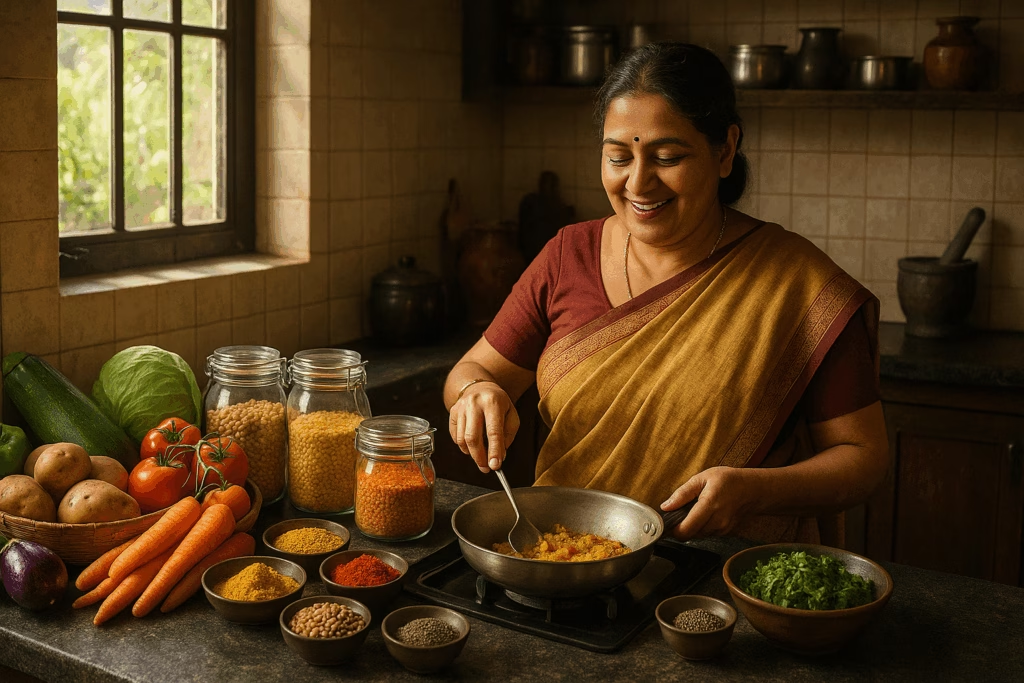
Spices are the heart of Indian cooking. They add taste and offer health benefits too.
Keep these budget-friendly spices in your kitchen:
- Cumin (jeera)
- Mustard seeds (rai)
- Turmeric (haldi)
- Garlic and ginger paste
- Coriander powder
- Curry leaves
These common spices make even simple dishes taste amazing.
Quick, Healthy Indian Meal Ideas
Here are a few tasty and affordable meal suggestions:
- Vegetable khichdi with curd
- Besan chilla with green chutney
- Vegetable upma with lemon
- Chapati with seasonal sabzi and salad
- Masala oats with sprouts or boiled egg
These meals are easy to make, nutritious, and gentle on the wallet.
A Personal Touch
Growing up in a middle-class Indian family, I saw how my parents stretched every rupee while still preparing delicious and healthy food. Simple ingredients, careful planning, and zero wastage were their secrets.
It taught me that healthy living is more about habits than money.
Final Thoughts: Nutrition Within Reach
You don’t need to spend more to eat better. With simple changes, local food options, and a bit of meal prep, anyone can enjoy nutritious meals at home.
Start small—one or two tips at a time. Over the weeks, you’ll notice improvements in both your health and your grocery bills.
Healthy eating is for everyone. You can begin today.
Frequently Asked Questions (FAQs)
Q1: How can I reduce my monthly vegetable expenses?
A: Choose local and seasonal vegetables, buy in bulk when possible, and try growing herbs at home.
Q2: Are traditional Indian meals healthy?
A: Yes, especially when prepared at home using fresh ingredients and minimal oil.
Q3: How do I reduce food waste at home?
A: Plan meals, use leftovers creatively, and store food properly.
External Resources
- Eat Right India – FSSAI Health Tips
- NatureClaim – Nutrition Facts & Guidelines
- LifeandHealth.org – Principles of Healthy Eating
About the Author
Hi! I’m Bhupen Kumar, a health & wellness blogger passionate about simple lifestyle habits that make a big difference. I write beginner-friendly tips to help you feel better every day—naturally and joyfully.
Follow me on Instagram for more daily wellness bites!