Introduction: Bringing Tradition into Modern Wellness
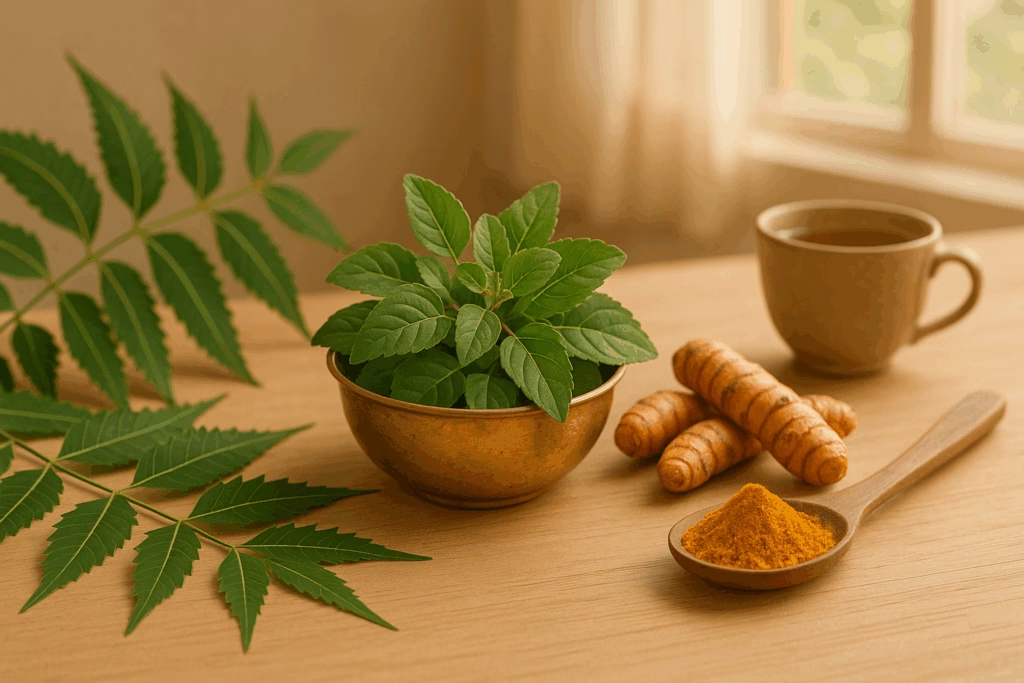
For generations, Indian households have turned to Neem, Tulsi, and Haldi for daily wellness. These herbs, deeply rooted in cultural traditions, were once part of every grandmother’s routine — from herbal teas to skin pastes. Today, many people are rediscovering their value. These natural remedies offer simple, accessible ways to support a healthier lifestyle without relying on complex treatments or expensive supplements.
This article explores how you can use these three powerful ingredients in your everyday life — safely and effectively.
Neem – A Natural Choice for Skin and Clean Living
Neem has long been valued for its ability to cleanse and protect. Traditionally used in everything from hair oil to dental care, it remains just as relevant today.
Benefits:
- Neem has cleansing properties that make it popular in skincare routines.
- It is often used to support oral hygiene in toothpaste and mouthwashes.
- It helps create a cleaner living environment when used in sprays or oils.
Practical Uses:
- Add a few neem leaves to your bathwater once a week for skin care.
- Use neem powder mixed with water or rosewater as a weekly face mask.
- Choose neem-based personal care products such as soaps and shampoos.
Personal Insight:
When I started using neem water for my face once a week, I noticed a visible improvement in skin clarity. It’s a simple step, but it made a real difference during hot summer months.
Tulsi – Supporting Mental Calm and Seasonal Health
Tulsi, also known as Holy Basil, is often kept in Indian homes not only for religious reasons but also for its soothing properties. Whether used in tea or chewed fresh, Tulsi is known to bring a sense of calm and clarity.
Benefits:
- Tulsi is commonly used to support clear breathing, especially during weather changes.
- It may help improve focus and reduce fatigue throughout the day.
- Tulsi tea is a caffeine-free option to refresh the body and mind.
Practical Uses:
- Brew fresh Tulsi leaves with warm water for a calming tea.
- Chew two to three washed leaves during the day, ideally after meals.
- Plant Tulsi in your balcony or windowsill for cleaner air at home.
Personal Experience:
I began replacing my second cup of coffee with Tulsi tea. Within a week, I felt more balanced and less dependent on caffeine in the afternoons.
Haldi – Everyday Spice with a Health Boost
Turmeric, or Haldi, is widely used in cooking across India. But it’s also part of many traditional home remedies, thanks to its balancing effects on the body and skin.
Benefits:
- Turmeric is known for supporting digestion and gut health when used in meals.
- Many people use it in skincare routines for its brightening effect.
- A warm drink made with turmeric and milk is often consumed at bedtime.
Practical Uses:
- Add a small pinch of turmeric to your meals like lentils, rice, or soups.
- Prepare turmeric milk by mixing it with warm milk and a little black pepper.
- Create a basic face mask with turmeric, yogurt, and gram flour once a week.
Important Note:
Use turmeric in small amounts in skincare, and avoid leaving it on the skin for too long to prevent staining.
Why These Herbs Still Matter Today
Despite the growth of modern wellness products, Neem, Tulsi, and Haldi continue to remain popular — not because of trends, but because they work. They are simple, natural, affordable, and easy to integrate into daily life. These herbs are not meant to treat diseases, but they can support your well-being when used regularly and mindfully.
They remind us that small, consistent efforts toward natural health can go a long way.
Summary Table: At-a-Glance Benefits
| Herb | Uses | Wellness Support |
|---|---|---|
| Neem | Bath water, skincare, toothpaste | Clean skin, personal hygiene |
| Tulsi | Tea, fresh leaves, indoor plant | Mental clarity, seasonal support |
| Haldi | Cooking, warm milk, face pack | Digestion, skin brightness |
Frequently Asked Questions (FAQs)
1. Can these herbs be used daily?
Yes, small and moderate use is generally considered safe. For example, Tulsi tea or turmeric in cooking can be used daily. Always observe how your body responds.
2. Are there any side effects?
These herbs are usually safe in traditional use, but it’s best to start slowly, especially with skin applications. If you have health conditions or allergies, consult a professional.
3. Can I grow these at home?
Yes. Neem and Tulsi can grow in pots with sunlight. Turmeric grows from root pieces and requires moist soil and warm temperatures.
4. Can I combine all three in one routine?
Yes, many people combine these in teas or rotate their use throughout the week, depending on the need.
External Resources
To explore more about these herbs from reliable sources, you can read:
- Tulsi: The Holy Basil – National Library of Medicine
- Neem and Its Uses – PubMed Central
- Turmeric and Curcumin – Harvard Health
These articles provide more scientific insights into how these herbs have been studied and understood in recent years.
Final Thoughts: Start with What You Have
You don’t need a full makeover to improve your wellness. Sometimes, going back to what your family has always used is the most natural step forward. Starting with a simple Tulsi tea or adding turmeric to your meals can be a great first move.
Small habits lead to lasting change. These herbs offer a way to stay connected to nature while supporting your health in a gentle, consistent manner.
About the Author
Hi! I’m Bhupen Kumar, a health & wellness blogger passionate about simple lifestyle habits that make a big difference. I write beginner-friendly tips to help you feel better every day—naturally and joyfully.
Follow me on Instagram for more daily wellness bites!